
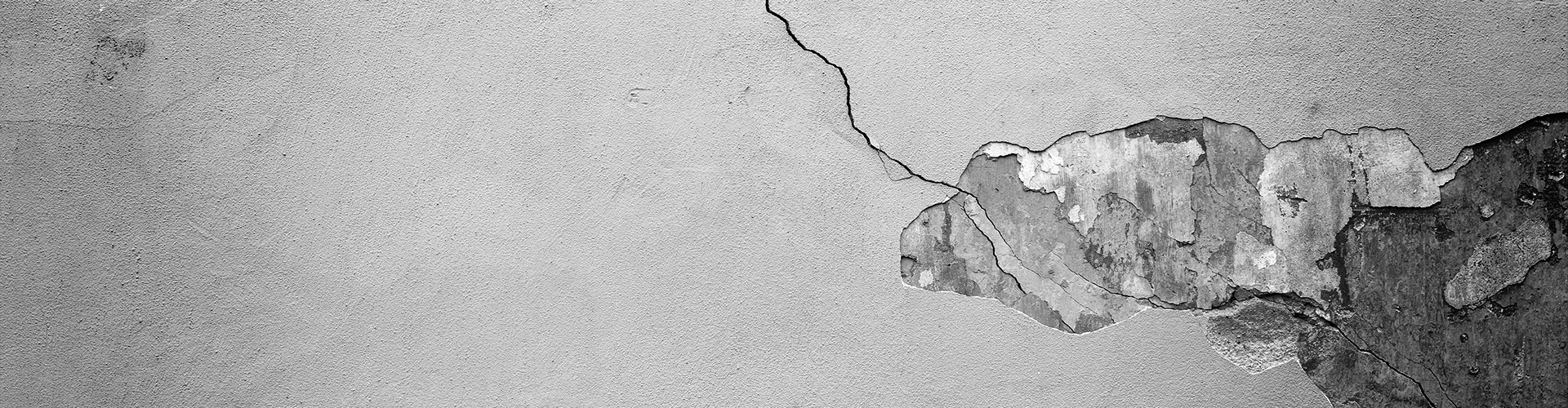
Crack Injection Services in South Africa
DCCS provides professional crack injection services in South Africa to repair concrete cracks, restore strength, and help prevent water ingress. Crack injection is a specialised concrete repair method used to seal cracks in concrete walls, slabs, beams, columns, basements, tanks, and other structural or surface elements.
Concrete cracks can develop for many reasons, including shrinkage, movement, settlement, water damage, structural stress, poor construction joints, or long-term wear. While some cracks may appear minor, they can become bigger problems if left untreated.
Open cracks can allow water, chemicals, and contaminants to enter the concrete, which may lead to corrosion of reinforcement, structural weakening, and further deterioration.
DCCS repairs concrete cracks using suitable epoxy and polyurethane injection systems, depending on the crack type, movement, moisture conditions, and repair objective. Epoxy injection is commonly used where strength restoration is required, while polyurethane injection is often used to seal cracks and reduce water ingress.
Fix Cracks Before They Worsen
Need to repair cracks in concrete walls, slabs, beams, or columns?
Contact DCCS today for professional crack injection services.
What Is Crack Injection Used For?
Crack injection is used to repair and seal cracks in concrete where a clean, targeted repair method is required.
Common applications include:
-
Concrete wall crack repairs
-
Slab crack repairs
-
Beam and column crack repairs
-
Basement and retaining wall cracks
-
Water ingress prevention
-
Structural crack repairs
-
Crack sealing in commercial and industrial buildings
-
Repairs to tanks, channels, and concrete containment areas
Crack injection is suitable for a range of construction, commercial, industrial, civil, and residential repair projects.
Our Crack Injection Process
DCCS follows a structured process to ensure cracks are assessed and repaired correctly.
The process typically includes:
-
Inspection and crack assessment
We assess the crack size, location, cause, movement, and whether water ingress is present. -
Repair method selection
The most suitable injection material is selected based on the crack condition and repair requirement. -
Surface preparation
The crack area is prepared to allow for effective injection and bonding. -
Injection application
Epoxy or polyurethane material is injected into the crack to fill, seal, or strengthen the affected area. -
Finishing and quality checks
The repair area is checked and finished where required.
Equipment & Capability
DCCS uses suitable injection materials and repair methods for different concrete crack conditions.
Our capabilities include:
- Epoxy crack injection
- Polyurethane crack injection
- Water ingress crack sealing
- Structural crack repair support
- Repairs to walls, slabs, beams, and columns
- Commercial, industrial, civil, and residential applications
Why Choose DCCS for Crack Injection?
Crack repairs must be handled correctly to avoid recurring problems. Simply filling a surface crack does not always address the underlying issue. DCCS assesses the crack and selects the appropriate repair method to help restore performance and reduce future deterioration.